Blog Article
What The Offroad Xmas Photo Archive Shows Year After Year
A close reading of the Offroad Xmas archive and the patterns it reveals about kids, volunteers, sponsor support, and repeatable community work.
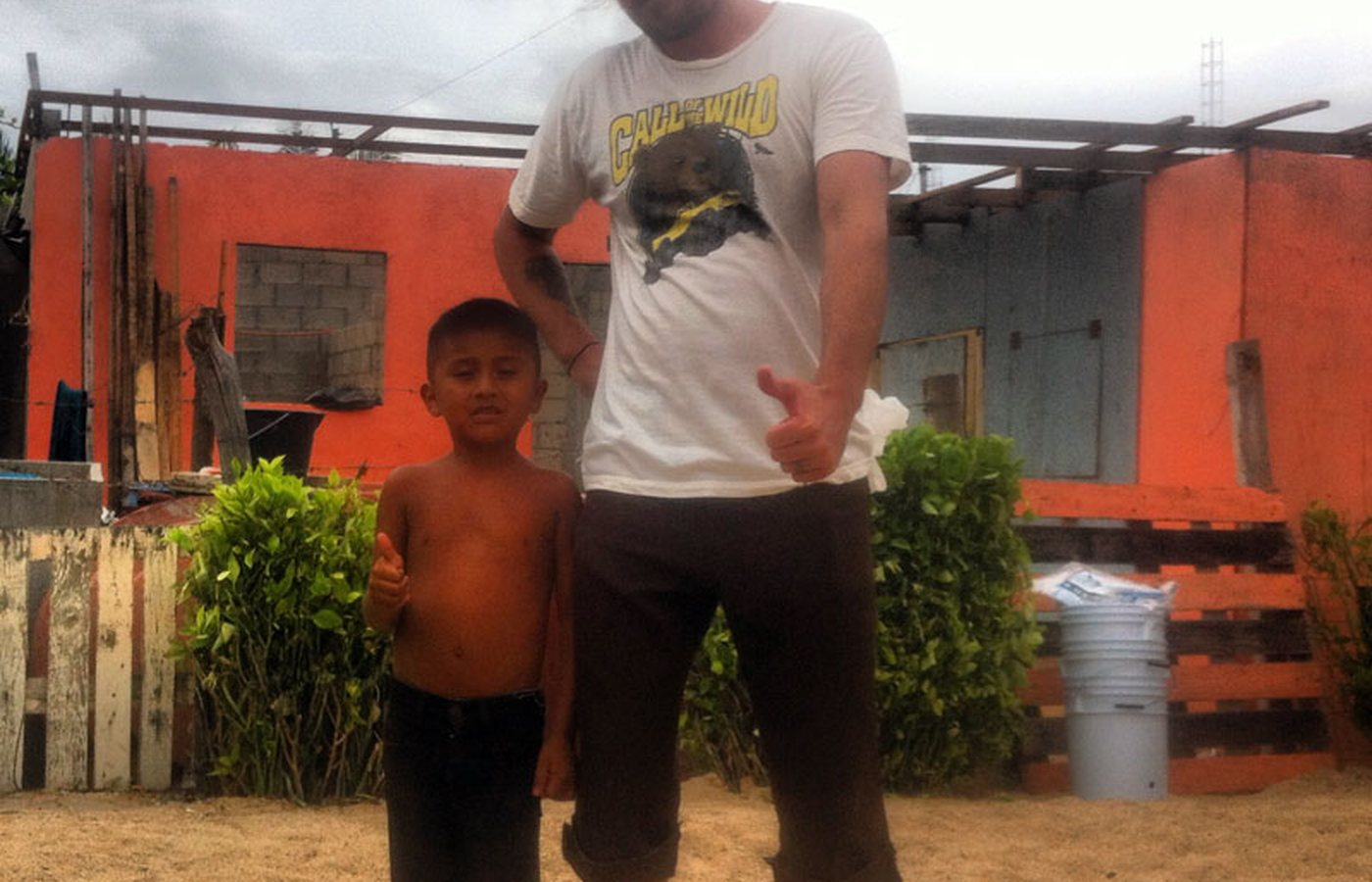
The archive is one of the strongest assets Offroad Xmas has. It proves the project happened, but it also quietly teaches what made the project work in the first place.
The recurring locations matter
When a project returns to places like Casa Hogar or Ninos del Capitan, the archive stops looking like a one-time gesture and starts looking like a relationship. That difference matters to donors and it matters even more to the local partners who host the day.
Repeat visits tell the community that the drive is not just chasing a photo opportunity. It is trying to become dependable.
Kids respond to attention as much as inventory
The strongest images are rarely the neatest stacks of boxes. They are the moments where volunteers are kneeling down, talking, reacting, helping open a gift, or simply being present in the room.
That is a useful reminder for anyone planning future support. The day is not solved by volume alone. It is shaped by human pace and attention.
Logistics quietly show up in the background
Even the most emotional photos reveal operational truths. You can see whether gear was sorted, whether the volunteers had enough room, whether apparel was staged separately, and whether the event flow felt rushed or steady.
That makes the archive practical, not just sentimental. It shows where planning reduced friction and where better preparation could help the next round.
Sponsor support becomes visible in a real way
Shirts, logos, hats, and off-road products do more than advertise. In the archive they become part of the atmosphere of the day. They show that brands did not just approve the idea from a distance; they physically contributed to it.
That visibility helps future sponsors understand what kind of support fits the project without needing a long pitch deck.
The shirt archive records each chapter differently
Event art turns a year into a marker. It gives the project a wearable memory, especially for volunteers and returning supporters who want a way to recognize the run after the day itself has passed.
That makes the artwork more than merch. It becomes a simple historical record of how the drive evolved.
A strong archive invites the next donor in
People are more willing to contribute when they can see the story clearly. Galleries answer doubts fast. They show what kind of settings the gifts reach, how the day feels, and how sponsor gear or toy boxes actually land.
That is why the archive deserves a real place in the website structure. It is one of the clearest reasons to believe the next box will matter.